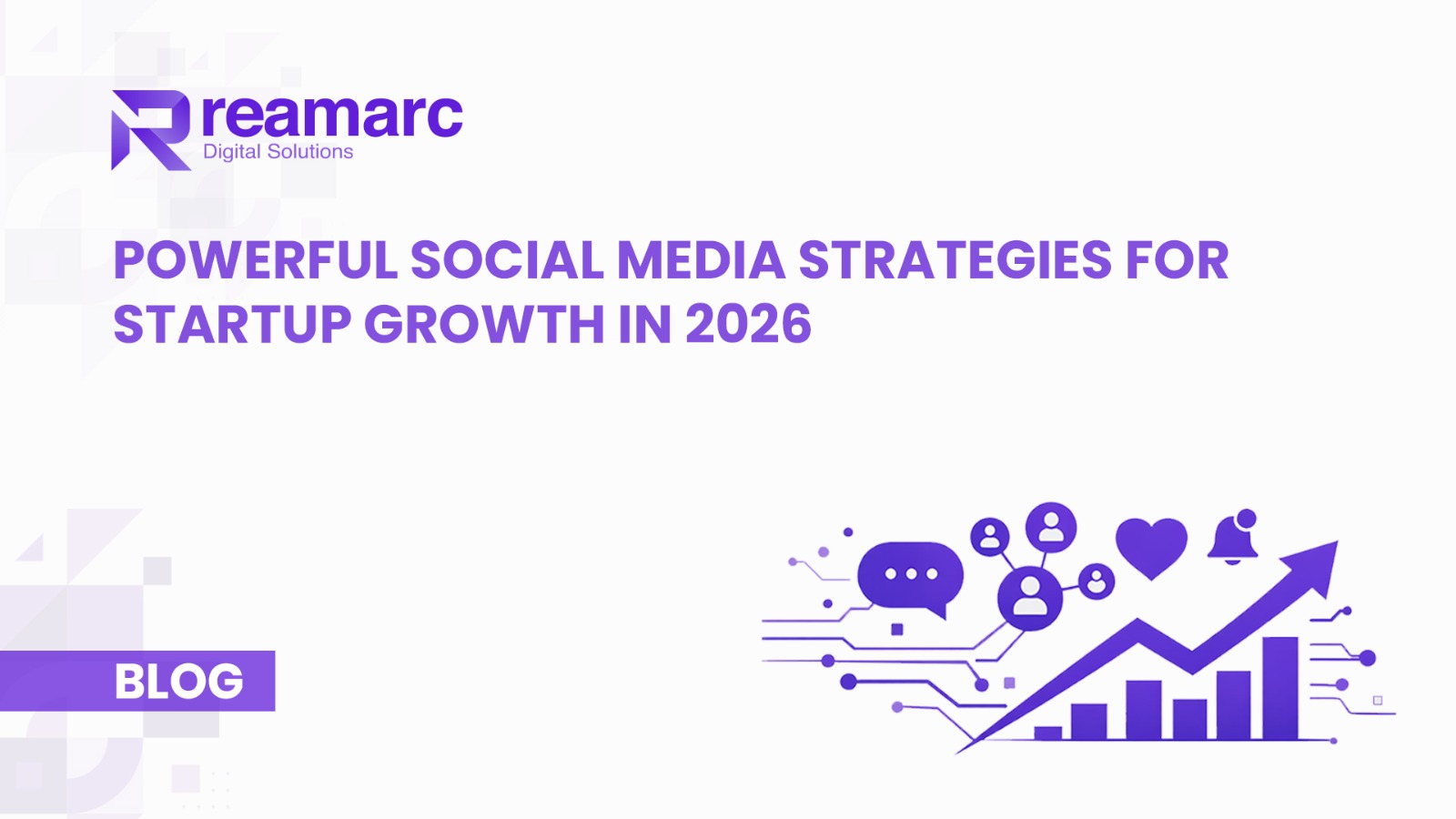
Scaling a startup in 2026 presents a unique set of challenges and opportunities, especially in the ever-evolving world of social media.
With over 4.7 billion active users globally, social platforms offer an unparalleled opportunity to reach a vast audience, build brand awareness, and foster meaningful customer relationships.
However, simply being present on social media isn’t enough. To truly stand out and grow your startup, you need a strategic approach that goes beyond basic posts.
In a crowded digital space, the most successful startups are those that leverage social media to create consistent, engaging content, interact with their audience, and utilize data-driven insights for continuous improvement.
Whether you are looking to establish your brand, generate leads, or build a community around your business, a well-planned social media strategy is crucial.
Social Media Strategies to Scale Your Startup in 2026
In this guide, we will explain how to develop effective social media strategies to scale your startup, including practical steps, tips, and proven methods to accelerate your growth in 2026.
Why Social Media Matters for Your Startup
In 2026, Social Media is not just a luxury for startups; it’s a necessity. With over 4.7 billion active users globally, social media provides an unprecedented opportunity to tap into diverse audiences, increase brand visibility, and build credibility.
Unlike traditional marketing channels, social media offers startups the chance to directly connect with potential customers, engage in real-time conversations, and showcase their products or services.
The true power of social media lies in its accessibility and cost-effectiveness.
For startups with limited marketing budgets, social media enables organic growth and targeted advertising, both of which allow for efficient brand-building without overspending.
Moreover, social media platforms are data-rich environments, providing businesses with analytics to measure performance, fine-tune strategies, and optimize campaigns.
Using social media strategically can help your startup achieve three essential goals:
- Brand Awareness: Increase the reach of your startup by showcasing your values, vision, and unique offerings.
- Customer Engagement: Foster relationships by engaging with your audience, answering queries, and receiving feedback.
- Lead Generation: Leverage both organic posts and paid ads to drive traffic to your website and generate qualified leads.
Given these advantages, a well-thought-out social media strategy is key to positioning your startup for success in 2026.
1. Define Your Target Audience
The cornerstone of any successful social media strategy is knowing who you’re speaking to.
Without a clear understanding of your target audience, your content will lack focus, and your messaging will miss the mark.
By defining your target audience, you ensure that your efforts are directed at the right people, making your strategy more efficient and effective.
Steps to Define Your Target Audience:
Defining your target audience is the first and most crucial step in building an effective social media strategy.
Understanding who your ideal customers are helps tailor your content to meet their specific needs, driving engagement and conversions.
Research Demographics
Look at factors like age, gender, location, income level, and education to start understanding the core of your audience.
Use tools like Facebook Insights or Google Analytics to gather demographic data from existing followers or website visitors.
Identify Psychographics
Go beyond basic demographics by considering the values, interests, and behaviors of your target audience.
What problems do they need solving? What are their goals and challenges? This can be determined through surveys, customer interviews, and social listening.
Behavioral Patterns
Understand how your target audience behaves online. What content do they engage with? When are they most active?
What type of content (videos, blog posts, memes, etc.) do they prefer? Tools like Instagram Analytics and Twitter’s Audience Insights can help you identify these patterns.
Create Buyer Personas
Develop personas that represent your ideal customers. This includes information like job titles, hobbies, pain points, and preferred communication styles.
Having these personas helps you craft content that resonates deeply with your audience.
By identifying and understanding your target audience, you’ll be able to create content that speaks directly to their needs, preferences, and problems. This alignment will lead to better engagement and stronger brand loyalty.
2. Choose the Right Platforms
With so many social media platforms to choose from, it’s easy for startups to get overwhelmed. However, not every platform is right for every business. Choosing the right platforms is critical to reaching your audience efficiently and effectively.
Key Considerations for Platform Selection:
When selecting the right social media platforms for your startup, it’s essential to consider factors such as your audience, content type, platform features, and available resources to ensure you’re focusing your efforts where they’ll be most effective.
Know Your Audience
Different platforms attract different audiences. For example, LinkedIn is ideal for B2B startups, while Instagram and TikTok are better suited for consumer-facing businesses, especially those in lifestyle, fashion, and entertainment industries.
Evaluate Platform Features
Each social media platform has its own strengths. Instagram is highly visual, making it great for lifestyle and product-based businesses. LinkedIn is perfect for thought leadership and B2B networking.
Twitter allows for real-time updates and engagement. Understanding the features of each platform helps you create content that plays to its strengths.
Consider Your Content
Some platforms work better with certain types of content. If you have video-centric content, YouTube or TikTok are your go-to platforms. For educational content, LinkedIn or Facebook may be more effective.
Choose platforms that allow you to showcase your content in the best possible light.
Your Resources
Managing multiple social media accounts can be time-consuming, especially for a startup.
Assess the resources available to you, including your team’s ability to create content, engage with followers, and manage campaigns, to determine how many platforms you can realistically handle.
After evaluating these factors, select 2-3 platforms to focus on. Spreading your efforts too thin can lead to inconsistent engagement and diluted results. Once you select the right platforms, tailor your content to fit the unique audience and features of each one.
3. Content Creation: Make it Valuable
Content is the backbone of your social media strategy. It’s what attracts your audience, keeps them engaged, and ultimately drives conversions. But content needs to be valuable, relevant, and aligned with your audience’s needs.
Whether you’re posting educational material, showcasing your products, or sharing customer stories, your content should always provide value.
Steps for Creating Valuable Content:
Creating valuable content is the foundation of a successful social media strategy, as it ensures your posts resonate with your audience, address their needs, and drive engagement.
Focus on Solving Problems
Your content should address the challenges or pain points your audience faces. This can be through blog posts, infographics, videos, or tutorials. When your audience sees that your content helps them solve a problem, they’re more likely to trust your brand.
Be Authentic and Transparent
Share real stories, customer testimonials, and behind-the-scenes glimpses into your startup. Transparency fosters trust, and authenticity resonates with people more than polished, overly-curated content.
Use High-Quality Visuals
Visual content is more likely to capture attention. Whether it’s images, videos, or infographics, make sure your visuals are high-quality and align with your brand’s tone and messaging.
Tools like Canva or Adobe Spark can help create professional graphics without a steep learning curve.
Incorporate User-Generated Content
Encourage your followers and customers to share their experiences with your product or service.
User-generated content (UGC) is powerful because it builds social proof and encourages others to engage with your brand.
Repurpose Content
Repurposing content from blog posts, podcasts, or webinars into smaller bite-sized pieces (like Instagram posts or Twitter threads) can help you get more mileage out of your existing content and reach different audience segments.
Creating valuable content doesn’t mean overloading your audience with information. Instead, focus on quality over quantity and aim to provide something meaningful with every post. Consistently offering value will establish your startup as an authoritative and trustworthy brand.
4. Engage with Your Audience
Social media isn’t just a platform for broadcasting your message; it’s an interactive space where you can build relationships with your customers.
Engagement is one of the most important aspects of social media marketing because it helps you build trust, increase customer loyalty, and gather valuable feedback.
Ways to Increase Audience Engagement:
To effectively increase audience engagement, it’s essential to foster a two-way conversation, encourage interaction, and build lasting relationships with your followers.
Respond to Comments and Messages
Engagement is a two-way street. Responding to comments on your posts or messages in your DMs shows that you value your audience.
Prompt replies also help build stronger relationships and increase customer satisfaction.
Use Polls and Surveys
Social media platforms like Instagram and Twitter allow you to create polls and surveys that encourage your audience to interact with your brand.
This can help you gather insights and opinions while keeping your audience engaged.
Host Contests and Giveaways
Running a social media contest or giveaway is a great way to increase engagement and attract new followers.
Encourage users to like, comment, or share your content in exchange for a chance to win something valuable.
Create Interactive Content
Content such as quizzes, challenges, and interactive stories fosters deeper engagement.
These types of content invite your audience to participate rather than passively consume.
Monitor and Join Conversations
Use tools like social listening to monitor conversations around your industry and brand.
Join in on relevant discussions, whether it’s commenting on trending topics or responding to questions.
Engaging with your audience doesn’t just mean replying to comments. It means creating a dialogue that fosters connection, builds community, and strengthens your brand’s reputation.
5. Leverage Paid Advertising
While organic content can be powerful, leveraging paid advertising on social media platforms is a great way to boost your startup’s visibility and accelerate growth. Social media ads offer precise targeting and measurable results, making them a valuable tool for scaling your business.
Key Steps for Effective Paid Advertising
Effective paid advertising on social media involves setting clear goals, targeting the right audience, testing different ad formats, and continuously monitoring and adjusting campaigns for optimal performance.
Set Clear Goals
Before launching a paid campaign, define clear objectives. Whether you want to increase brand awareness, generate leads, or drive traffic to your website, your goals will guide the ad creation process.
Target the Right Audience
Social media platforms offer robust targeting options, such as age, gender, location, interests, and behaviors.
Make sure to define your target audience clearly to avoid wasting ad spend.
Test Different Ad Formats
Try different ad formats, including sponsored posts, carousel ads, and story ads, to see which ones resonate best with your audience.
A/B testing is an effective way to test and refine your campaigns.
Monitor and Adjust Your Ads
Once your ads are running, monitor their performance regularly. Check metrics like click-through rates, engagement, and conversions.
If an ad isn’t performing well, tweak it based on the data you’re receiving.
Use Retargeting
Retargeting ads allow you to reach users who have already interacted with your brand but haven’t converted yet.
Retargeting is an effective way to remind potential customers about your startup and drive conversions.
Paid social media advertising is an excellent way to amplify your organic efforts. By using precise targeting and monitoring performance, you can maximize the return on investment for your ads.
6. Measure and Analyze Performance
Tracking your social media performance is essential for understanding what works and what doesn’t. Without the right data, it’s impossible to refine your strategy or make informed decisions.
Social media platforms provide a wealth of analytics that can help you measure success and optimize your approach.
Important Metrics to Track
Tracking the right metrics is essential for understanding the effectiveness of your social media efforts and optimizing your strategy for better results.
Engagement Rate
This metric tells you how well your audience is interacting with your posts. Engagement includes likes, shares, comments, and clicks.
A high engagement rate typically means your content resonates with your audience.
Reach and Impressions
Reach refers to the total number of unique users who saw your content, while impressions indicate how many times your content was displayed.
Both metrics give you insight into the visibility of your posts.
Click-Through Rate (CTR)
This measures how many users clicked on your ad or link relative to the number of times it was shown. A high CTR is a good sign that your content is compelling and relevant.
Conversion Rate
Track how many interactions (clicks, sign-ups, or purchases) lead to actual conversions.
Conversion tracking helps you determine the effectiveness of your campaigns.
Follower Growth
This metric tracks how your follower count grows over time. A steady increase in followers is often an indicator of growing brand interest.
By continually tracking and analyzing these metrics, you can adjust your strategy to improve performance and achieve your business goals more effectively.
Conclusion
In conclusion, social media remains one of the most powerful tools available for scaling your startup in 2026. With the right strategy, your startup can increase brand awareness, drive customer engagement, and generate valuable leads without breaking the bank.
The key to success lies in knowing your audience, selecting the right platforms, creating valuable content, and continuously engaging with your followers.
Paid advertising can amplify your organic efforts, while measuring performance through key metrics ensures that your strategies remain effective and adaptable.
By staying consistent, responsive, and data-driven, you can build a strong online presence that not only attracts new customers but also fosters long-term loyalty.
As you refine your approach and adapt to the evolving digital landscape, your social media strategy will be a crucial driver of your startup’s growth and success.
Ultimately, it’s not about just being on social media, but about using it strategically to connect with your audience and achieve your business goals.